
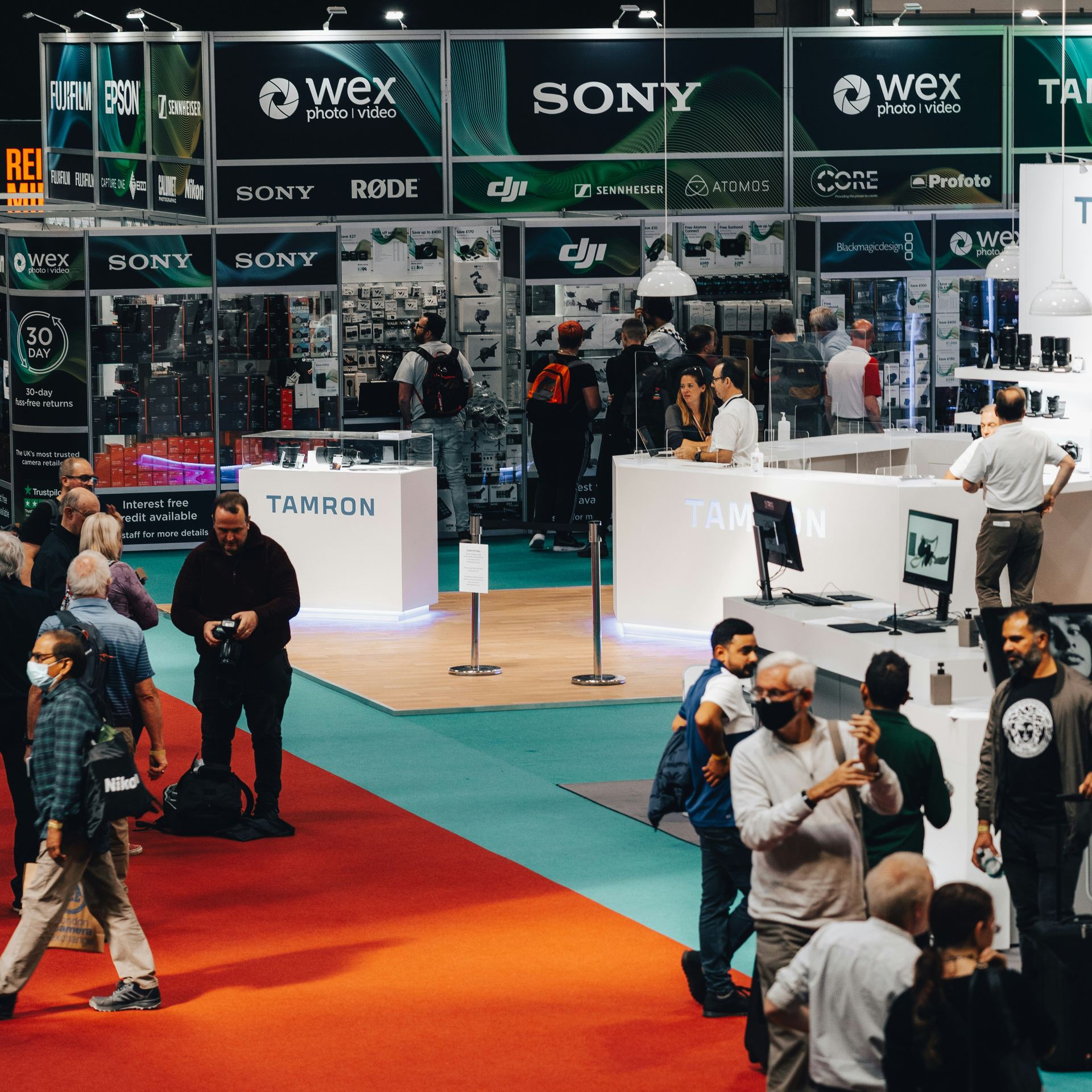
Dubai's exhibition calendar rarely slows down. Between Dubai World Trade Centre, Expo City Dubai, and a steady run of sector-specific trade shows, businesses across construction, technology, healthcare, hospitality, and government services are competing for the same few seconds of visitor attention. A booth that looks impressive in a deck but falls apart on the show floor — a late install, a missing approval, or weak visitor flow — can undo months of marketing budget in three days flat.
After building and installing stands across enough shows in Dubai, a pattern becomes obvious: the businesses that struggle aren't necessarily working with smaller budgets. They're usually missing a few specific steps in how they brief, plan, and execute. Below are the most common mistakes seen on the show floor — and what a more disciplined approach to exhibition booth planning looks like instead.
Why Exhibition Booth Planning Deserves More Attention in Dubai's Trade Show Market
Dubai hosts some of the region's largest B2B and B2C exhibitions, and organiser rules, build windows, and hall logistics are often tighter than first-time exhibitors expect. A stand isn't just a backdrop — for most exhibitors, it's the only direct, face-to-face touchpoint they get with hundreds of qualified buyers in one place. When booth planning is treated as a checkbox exercise instead of a coordinated project — covering design, fabrication, event management and production, technical approvals, and on-site execution — the gap shows up exactly where it's most visible: in front of the audience you paid to reach.
Mistake 1: Starting the Brief Too Late, or Too Loosely
The most common failure point happens before design even begins. Businesses approach a contractor with a stand size and a deadline, but no real brief — no stated objective, audience profile, success criteria, or budget range. Without that information, a contractor is designing in the dark, and changes requested later in the process cost time and money that a clearer brief would have avoided from the start.
A proper exhibition stand design and fabrication process should always begin with a structured brief:
- Booth size and location
- Target audience and visitor profile
- Key messages and brand positioning
- Success metrics and ROI expectations
- Budget range and payment terms
Mistake 2: Picking an Exhibition Booth Contractor in Dubai on Price Alone
Cost matters, but choosing exhibition stand contractors in Dubai purely on the lowest quote is one of the most expensive mistakes a business can make. A lower price often means subcontracted fabrication, no in-house technical drawing capability, or no track record with organiser approval processes — all of which surface as delays once the build is underway.
It's worth checking whether a contractor operates as a licensed, group-backed company with documented governance and quality control, rather than a loosely structured supplier chain you can't trace back to a single accountable team. Quality and compliance frameworks should be in place before work begins.
Mistake 3: Skipping Proper 3D Exhibition Stand Design in Dubai
Some businesses move straight from a rough sketch to fabrication, skipping 3D exhibition stand design altogether to save time. This is usually where visitor flow problems, blocked sightlines, and awkward product placement originate — issues that are cheap to fix on a screen and expensive to fix on a show floor.
A proper 3D concept and render stage lets you test layout options, brand zones, and circulation before a single panel is cut, giving internal stakeholders something concrete to approve instead of guessing from a flat floor plan. This stage also helps identify how your booth integrates with the broader event narrative and creative direction.
Mistake 4: Underestimating Exhibition Booth Construction in Dubai Timelines and Approvals
Exhibition booth construction in Dubai runs on tight build windows, and most major venues require technical drawings and structural sign-off before any fabrication can move on-site. Businesses that leave organiser approvals to the last week routinely find themselves stuck — drawings sent back for revision, permits delayed, or build slots missed entirely.
Working with a contractor that maintains a documented quality and compliance framework and builds approval time into the production schedule from day one removes most of this risk long before it becomes a problem. Factor in:
- Design and approval phase: 2-3 weeks
- Fabrication: 2-4 weeks depending on complexity
- Organiser final approvals: 1-2 weeks buffer
- Logistics and transport: 1 week minimum
Mistake 5: Treating Exhibition Installation Services in Dubai as a Last-Minute Job
Even a well-designed, well-built stand can fail if installation is rushed. Exhibition installation services in Dubai involve far more than carrying panels into a hall — safe rigging, lighting alignment, signage placement, electrical testing, and final detailing all need supervised, on-site execution within a fixed window before doors open.
Businesses that don't budget time or staff for this stage often end up with a stand that looks unfinished on day one. A dedicated on-site operations team handling install, testing, and dismantle as part of the same project — rather than as a separate, last-minute booking — is one of the simplest ways to avoid this.
Mistake 6: Ignoring AV, Lighting, and Interactive Technology
A static stand with no screens, lighting design, or interactive element struggles to compete on a busy show floor, especially when neighbouring booths are running motion graphics or live demos. This element is frequently left out of the original budget and bolted on at the last minute, which limits what can actually be integrated.
Planning AV and lighting — LED walls, product lighting, interactive touchpoints — alongside the stand design from the start, rather than after the structure is finalised, gives far more flexibility and a noticeably stronger result on the day. Consider:
- LED display walls and high-resolution screens
- Product spotlighting and ambient lighting design
- Interactive touch points and motion graphics
- Audio system integration and acoustic planning
- Power and technical infrastructure requirements
Mistake 7: Disconnecting the Booth from the Brand's Creative Direction
A stand that doesn't visually match the rest of a brand's campaign — different tone, inconsistent messaging, a generic layout — reads as disjointed to visitors who've already seen the brand elsewhere. This usually happens when stand design is handled in isolation from the wider event or marketing concept.
Bringing creative concept and program design into the same workflow as the stand build keeps branding, messaging, and scenic design aligned to one direction instead of several disconnected ones. Your booth should be an extension of your overall brand narrative, not a separate asset.
Mistake 8: No Plan for Reuse, Storage, or Post-Show Reporting
Many businesses treat every exhibition as a one-off, rebuilding from scratch each time and discarding the stand afterwards — an expensive habit when modular or semi-modular builds can be stored and reused across multiple shows. On top of that, few exhibitors capture structured data on footfall, leads, or stand performance once the event ends, leaving no real way to measure return on the investment.
Reuse and storage options, paired with post-event reporting and analytics, turn a single-use cost centre into a reusable, measurable asset. This data also informs improvements for future exhibitions.
How to Avoid These Mistakes When Planning Your Next Exhibition Stand in Dubai
Most of these mistakes share a root cause: the stand is planned, designed, built, and installed by disconnected parties with no single accountable workflow. The fix isn't a bigger budget — it's a tighter process.
Working with exhibition stand contractors in Dubai who manage the brief, design, fabrication, approvals, installation, and reporting as one coordinated project removes the handoff points where things usually go wrong. Before splitting the work across multiple suppliers, it's worth reviewing a portfolio of completed exhibition stands and the full range of event and exhibition services available under one delivery model.
Key Takeaways
- Start with a structured brief that includes objectives, audience, messages, and success criteria — not just booth size and deadline.
- Choose exhibition booth contractors based on experience, quality standards, and documented processes — not price alone.
- Invest in proper 3D exhibition stand design to surface issues on screen before they become expensive problems on the show floor.
- Build approval timelines into your production schedule from day one to avoid last-minute organiser delays.
- Treat installation as a planned, supervised phase — not a last-minute logistics job.
- Integrate AV, lighting, and interactive technology as part of the core design, not as add-ons.
- Ensure your stand visually and strategically aligns with your broader brand narrative and marketing direction.
- Plan for stand reuse and capture post-event analytics to turn exhibition booths into measurable, reusable assets.
Frequently Asked Questions
What does an exhibition booth contractor in Dubai typically include in their service?
How far in advance should I book exhibition stand contractors in Dubai?
Is 3D exhibition stand design necessary for a small booth?
Can an exhibition stand be reused after the show?
Do exhibition installation services in Dubai include dismantling?
What happens if organiser approval for my stand design is delayed?
What should be included in an exhibition booth brief?
Why is AV and lighting integration important in exhibition booth design?
How can I ensure my booth design aligns with my brand?
Why should I choose a licensed contractor over a loosely structured supplier?
Conclusion: Planning is Where the Outcome Gets Decided
If your next show is already on the calendar, the planning stage is where the outcome gets decided — not the week of the build. A structured approach to brief development, contractor selection, design approval, and installation execution removes the uncertainty and last-minute firefighting that plague exhibition projects.
Your booth's success depends on clear planning, experienced execution, and end-to-end accountability. Contact ESAC Events to scope your stand size, objectives, and timeline before you brief a contractor. Let's build something that works.